Follow the Money: What One Shipping Container Reveals About the Five Currencies Hiding in Your Landed Cost
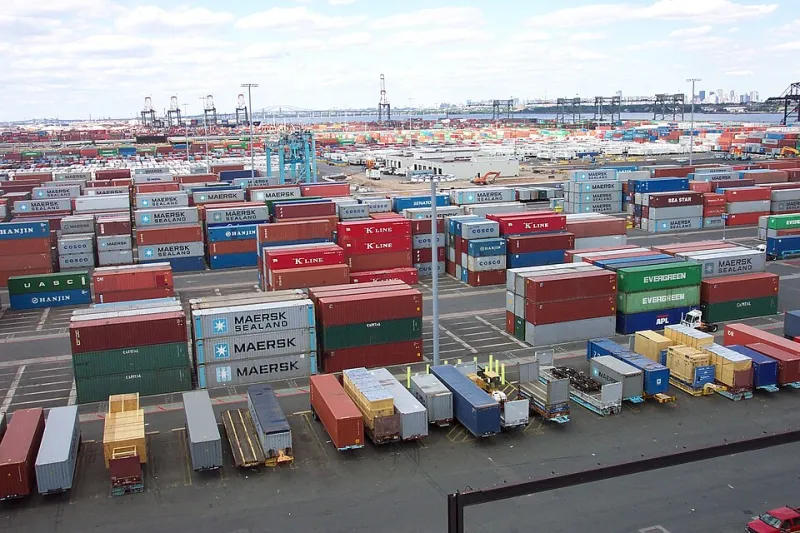
Photo: Captain Albert E. Theberge, NOAA Corps (ret.), Public domain, via Wikimedia Commons
Ask a first-time importer what a shipment costs and they will point to the invoice. Ask a currency trader the same question and they will start counting currencies. Both are looking at the same container. Only one of them sees the whole picture.
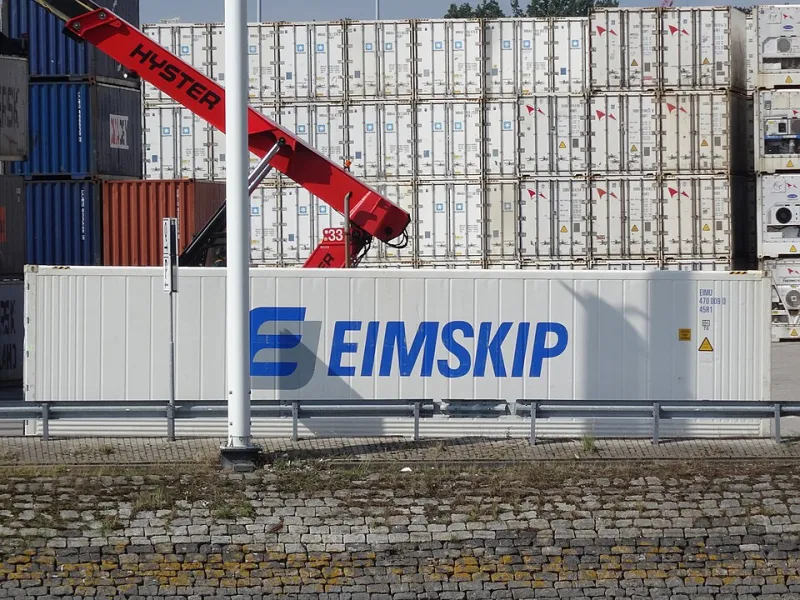
Today we want to walk through the journey of a single 40-foot container — let's call it the March shipment — and trace every place money changes form on its way to a US warehouse. If you have ever wondered why your landed cost never quite matches the quote, this is why.
Hop One: The Factory Invoice
Our container begins at a manufacturing facility invoicing in its home currency. The US buyer sees a converted figure on the pro forma — a tidy dollar amount. But that conversion already embedded a spread set by whoever did the converting, and it reflects the exchange rate on one specific day. If the buyer's deposit sits for sixty days before balance payment, the rate on the second payment may differ meaningfully from the first. The invoice price is not a price. It is a snapshot.
Hop Two: The Wire
The deposit moves through correspondent banks. Each intermediary in the chain may take a handling fee, and the currency conversion — if routed through the sending bank rather than a dedicated FX provider — typically happens at a retail rate several percentage points worse than the interbank mid-market rate. On a mid-five-figure payment, that is real money vanishing between two banks that never speak to the buyer at all.
Hop Three: Freight and Insurance
Ocean freight is usually quoted in US dollars, which lulls American buyers into complacency — until they discover that origin charges (trucking, terminal handling, documentation) at the factory end are frequently billed in local currency. Insurance premiums, too, may be denominated abroad depending on the underwriter. Each of these line items carries its own conversion, its own spread, its own timing.
Hop Four: The Port and the Government
At the US port, duties are assessed in dollars, but the customs value was derived from that original foreign-currency invoice. Exchange-rate movement between invoice date and entry date can push your declared value — and therefore your duty bill — higher than planned. Add terminal fees, chassis charges, and drayage, and the container has now touched four different pricing regimes before it has even reached the warehouse door.
Hop Five: The Revenue Side
Finally, the goods are sold to US distributors in dollars. Here is the asymmetry that defines import economics: you pay in a currency you must buy, and you collect in the one you live in. Every basis point of spread on the buy side is a pure margin leak; there is no matching upside on the sell side.
What the Journey Teaches
Three practical lessons emerge from following the money.
First, count your currency exposures before you count your costs. A landed-cost model with a single exchange-rate assumption is a model that lies.
Second, consolidate your conversions. Routing payments through a dedicated FX provider rather than a bank's retail desk routinely saves one to three percent — which, on thin-margin goods, can be the entire profit of the order.
Third, time your conversions like the trading decisions they are. A buyer who locks the rate at contract signing knows their true landed cost on day one. A buyer who leaves it to the wire date is running an unhedged currency position without admitting it.
The quoted price is a story's opening line, not its ending. The importers who thrive are the ones who read the whole book.