The Smaller You Are, the Harder Tariffs Hit: Why Retaliation Cycles Punish Main Street Importers First
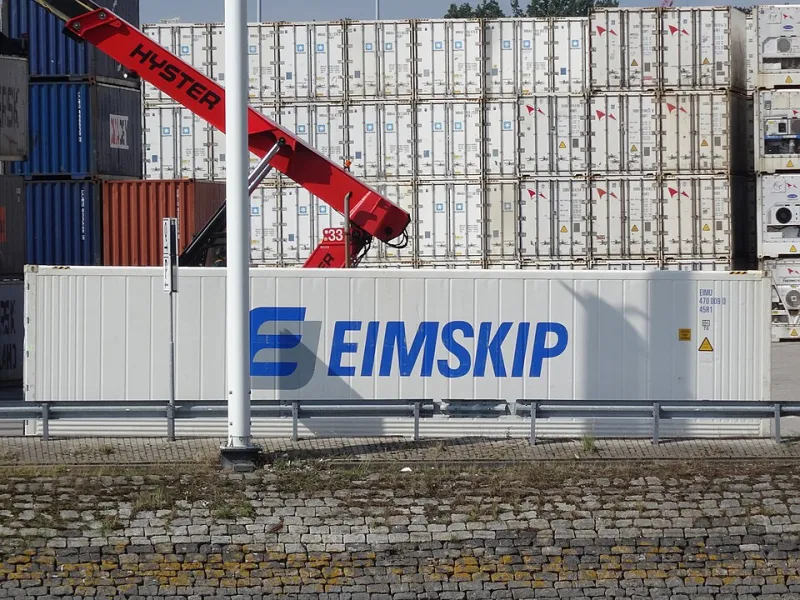
Photo: AgainErick, CC BY-SA 4.0, via Wikimedia Commons
There's a persistent myth about trade wars: that they're a game played between Washington and Beijing, with corporations as the chess pieces. The reality on the ground looks different. When retaliation cycles escalate, the multinationals that dominate headlines adjust with speed and scale that smaller players simply cannot match. The family-run distributor in Ohio, the boutique housewares importer in Portland — they absorb the shock first and recover last.
The Asymmetric Burden
Consider how the two sides of the market respond to a new retaliatory tariff. A global manufacturer with plants in Vietnam, Mexico, and China shifts a product line between facilities in a quarter. It has the legal teams to pursue exclusions, the lobbying muscle to shape policy, and the balance sheet to wait out the turbulence.
A mid-sized US importer has none of that. Its options are narrower: raise prices and risk losing shelf space, absorb the tariff and watch margins evaporate, or scramble to qualify a new supplier mid-crisis — precisely when every other importer is doing the same thing, driving up quotes and lead times across the board. The result is a quiet transfer of wealth from small American businesses to their larger competitors, one policy announcement at a time.
This asymmetry is why tariff risk deserves a seat in the boardroom — or the kitchen table — of every importing business, not a footnote in the annual review.
Diversification as a Hedge, Not a Headache
The single most effective tariff defense available to smaller importers is also the least glamorous: spread your sourcing across two or three countries before you're forced to.
The logic mirrors portfolio diversification. If 70% of your product comes from a single country, a tariff action against that country is an existential event. If your volume is split across, say, Vietnam, India, and Mexico, the same action becomes a rebalancing exercise — painful, but survivable. You shift the mix, lean on the unaffected lanes, and keep your retail customers supplied while competitors go dark.
The objection is always the same: qualifying a second supplier costs time and money, and the first supplier gives you better volume pricing. Both are true. But the concentrated strategy is a short position on trade stability — a bet that nothing will go wrong. The last several years have not rewarded that bet.
Tariff-Proofing the Product Mix
Diversification applies to products as well as geographies. Importers should routinely ask which of their SKUs are most exposed — high tariff sensitivity, commodity-like goods with easy substitution, categories that have appeared on prior retaliation lists — and which are defensible. Products with genuine differentiation, US-specific compliance certifications, or brand loyalty are harder to tariff out of the market. A deliberate shift in mix toward those categories is a structural hedge that no policy cycle can erase.
Start the Conversation Now
Policy shocks arrive with little warning and less grace period. The importers who weather them are the ones who did the unglamorous work in calm conditions: a second supplier qualified, a third country scouted, a product mix reviewed against tariff exposure.
At Patel Trading Co., we've watched this cycle repeat often enough to know the pattern. The question isn't whether the next round of retaliation comes. It's whether your sourcing structure will be ready when it does — or whether you'll be explaining to your best customer why the shelves are empty.