Approve Once, Ship Twice: Building a Pre-Production Sample Gate That Actually Protects Your Margins
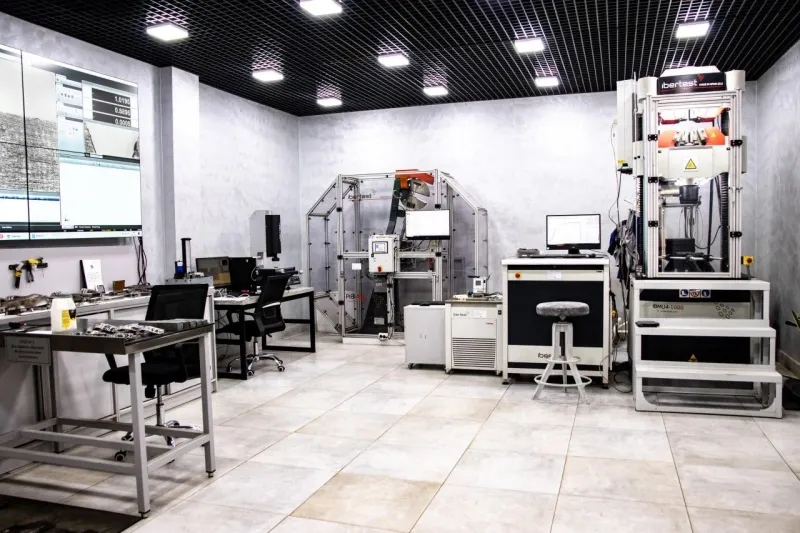
Photo: product sample inspection quality control factory desk, via www.enter-steel.com
Every experienced importer has a version of the same story. A sample arrives, looks fine under the office fluorescents, gets a quick thumbs-up over email, and the purchase order follows within the week. Three months later, a container lands in Long Beach filled with goods that don't match what was approved — wrong stitching density, off-spec color, packaging that arrived crushed. The bulk order was never tested the way the sample was. The sample was never really tested at all.
The uncomfortable truth is that most quality disasters in importing don't begin on the factory floor. They begin in the approval process — or more precisely, in the absence of one.
Why the Sample Stage Is Where the Money Is Won or Lost
Think about the economics. A pre-production sample costs a supplier a few days of line time and a courier fee. A defective bulk order costs the landed value of the shipment, the freight to move it, the working capital tied up in inventory you can't sell, and — hardest to recover — the credibility you've built with your retail accounts back home.
Yet sample approval is routinely treated as a formality. Small and mid-sized US importers, pressed by launch calendars and seasonal buying windows, often compress the sampling stage into a single rushed exchange. The supplier interprets the silence as approval. The buyer interprets the sample as representative. Both are wrong, and the gap between them is where claims, chargebacks, and disputes live.
What a Real Pre-Production Protocol Looks Like
A sample gate isn't bureaucracy for its own sake. It's a short, documented sequence that forces both parties to agree on what "correct" means before thousands of units exist.
Define the golden sample. Select one physical unit as the reference standard. Photograph it from every angle, measure it, weigh it, and record material composition. This becomes the arbiter for every future dispute — and the supplier keeps an identical copy.
Test under real conditions, not office conditions. A garment sample should be washed. A housewares sample should be dropped, filled, and heated. A packaged sample should survive a simulated transit — stacked, shaken, humidity-exposed. If your customers in Minnesota will use the product in January, test it for January.
Document the sign-off in writing. An approval email that references the golden sample, the agreed specifications, and the tolerance ranges. Vague approvals like "looks good, proceed" are worth almost nothing when a claim arises.
Tie the sample to the bulk PO explicitly. The purchase order should state that production must match the approved pre-production sample, identified by date and reference number. This single clause converts your sample from a courtesy into a contractual instrument.
The Relationship Dividend Nobody Talks About
Here's what surprises many first-time importers: a rigorous sample process doesn't strain supplier relationships — it strengthens them. Overseas manufacturers deal constantly with buyers who change their minds mid-production, then refuse to pay for the consequences. A clear, documented approval cycle tells a factory that you are a professional counterparty. In our experience brokering transactions between US buyers and overseas producers, the suppliers who command the best pricing and priority capacity are almost always the ones who trust their customers' processes.
A formal gate also protects the supplier. When specifications are locked before production begins, the factory can plan materials and line scheduling with confidence, and neither side is guessing at the other's expectations.
Making It Operational
You don't need a compliance department to run this. A one-page checklist, a shared photo archive, and a standing rule — no bulk PO without a documented sample sign-off — will eliminate the majority of quality disputes before they start. For higher-value or first-time orders, a third-party inspection at the golden sample stage costs a few hundred dollars and pays for itself many times over.
The sample that ships is a promise. The sample that never ships — because it was skipped, rushed, or never formally approved — is a liability. Treat it as the cheapest insurance policy in international trade, because that is exactly what it is.