When the Cargo Is Late, the Clever Start Buying: A Case for Treating Supply Disruptions as Buying Opportunities
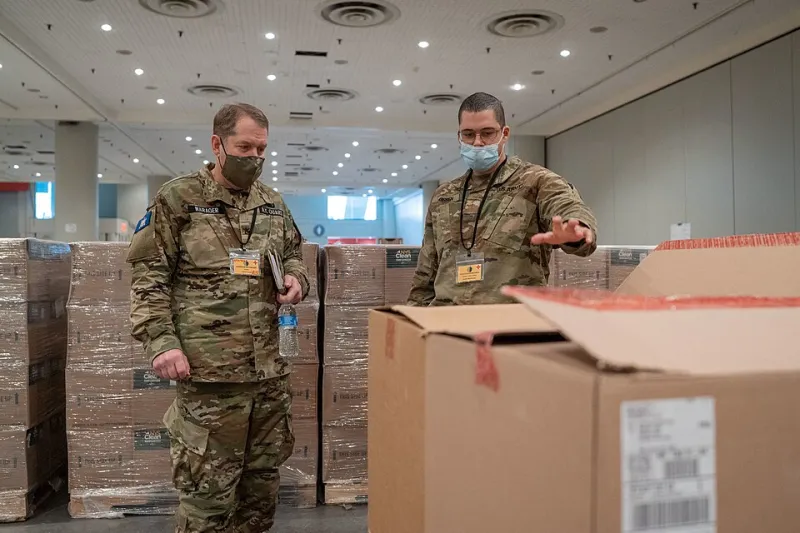
Photo: Sgt. Sebastian Rothwyn, Public domain, via Wikimedia Commons
The standard playbook for supply disruption is well rehearsed by now: apologize to customers, expedite what you can, trim promotions, and wait. It is a defensive posture, and a reasonable one. But we want to make an unpopular argument. In the weeks after a container goes missing, a window opens — and the importers who climb through it tend to come out ahead of the ones who simply endured.
Disruption Is a Market Event, Not Just an Operational Problem
When a major shipping delay hits an industry, it does not affect all players equally. It affects them simultaneously but differently. The importer with a container stuck at sea is out of stock and desperate to fill orders. The importer whose goods already landed suddenly holds the scarcest commodity in the market: inventory that actually exists.
This is where the mindset shift happens. If your competitor is stuck waiting on a delayed vessel, and you have shelf-ready stock, you are no longer just rivals — you are counterparties. Their urgency is your negotiating leverage.
The Opportunist's Toolkit
We are not talking about anything shady. The legitimate opportunistic channels are broader than most small importers realize.
Spot-market inventory. Distributors and brokers routinely hold overstock, canceled orders, and discontinued lines. In a disruption, these holders become motivated sellers, and prices that were firm in calm markets soften considerably.
Competitor overruns and canceled programs. Factories produce to order. When a large buyer cancels or delays, finished goods sometimes sit at the factory available for whoever can move fastest. Being the responsive, well-funded buyer of last resort is an underrated position.
Domestic secondary supply. Importers who over-ordered ahead of a disruption — or who bet right on timing — often need to rebalance. Buying from a fellow importer is faster than any ocean route.
Counter-trade arrangements. In tight markets, swapping what you have for what you need with a non-competing importer in an adjacent category can fill gaps without any cash changing hands.
Why Small Importers Are Built for This
Here is the part that surprises people: opportunistic buying favors the small. A corporate buyer needs three approvals and a supplier onboarding process to purchase a single pallet of spot goods. You need a phone and a wire transfer. Speed is the entire edge in a disruption market, and bureaucracy is the enemy of speed.
Of course, opportunity does not suspend diligence. Spot goods still deserve inspection. Documentation still matters — provenance, country of origin, and clean title are non-negotiable. And the arithmetic must still work: a discounted purchase price that arrives after your customer has already found an alternative is not a bargain.
The Just-in-Time Reckoning
The deeper point is a challenge to the orthodoxy that has governed importing for decades. Just-in-time doctrine treats inventory as waste and disruption as pure loss. But inventory held by someone else is an option you can buy. The importer who keeps modest liquidity reserves and a short decision chain can convert other people's logistics failures into their own best purchase of the year.
We saw this play out repeatedly during the port congestion crises of recent years. The importers who thrived were not the ones with the best forecasts. They were the ones who kept cash ready, relationships warm, and a bias toward action when everyone else was refreshing vessel-tracking pages.
Your container will be late again someday. The only question is whether you will be the one waiting — or the one buying.